Cardiac Care Technology
Departmant of ParamedicalCardiac care technicians serve physicians for heart surgeries. Cardiac technicians work in a diversity of settings including coronary care unit (CCU), special care for patients with unstable angina, heart attack, and other cardiac conditions that require treatment and continuous monitoring.
-min.jpg)
B.Voc. in Cardiac Technology is a 3-year, full-time undergraduate course divided into 6 semesters. Cardiac Technology is known as an allied course in medicine
Cardiac Technologists assist physicians throughout invasive cardiovascular testing; a tube is put into one of the blood vessels that carry blood into the heart.
Key Feature
- B.Voc in Cardiac care technology helps you, test patients, for their heart problems.
- It teaches to take care of those who are suffering from cardiovascular disease.
- Use and maintain medical equipment and machines used in the field.
- B.Voc in Cardiac care technology helps study emergency invasive procedures that could save someone’s life.
- B.Voc in Cardiac care technology helps study cardiac-related procedures and observe the right way to perform cardiac procedures before applying practical skills.
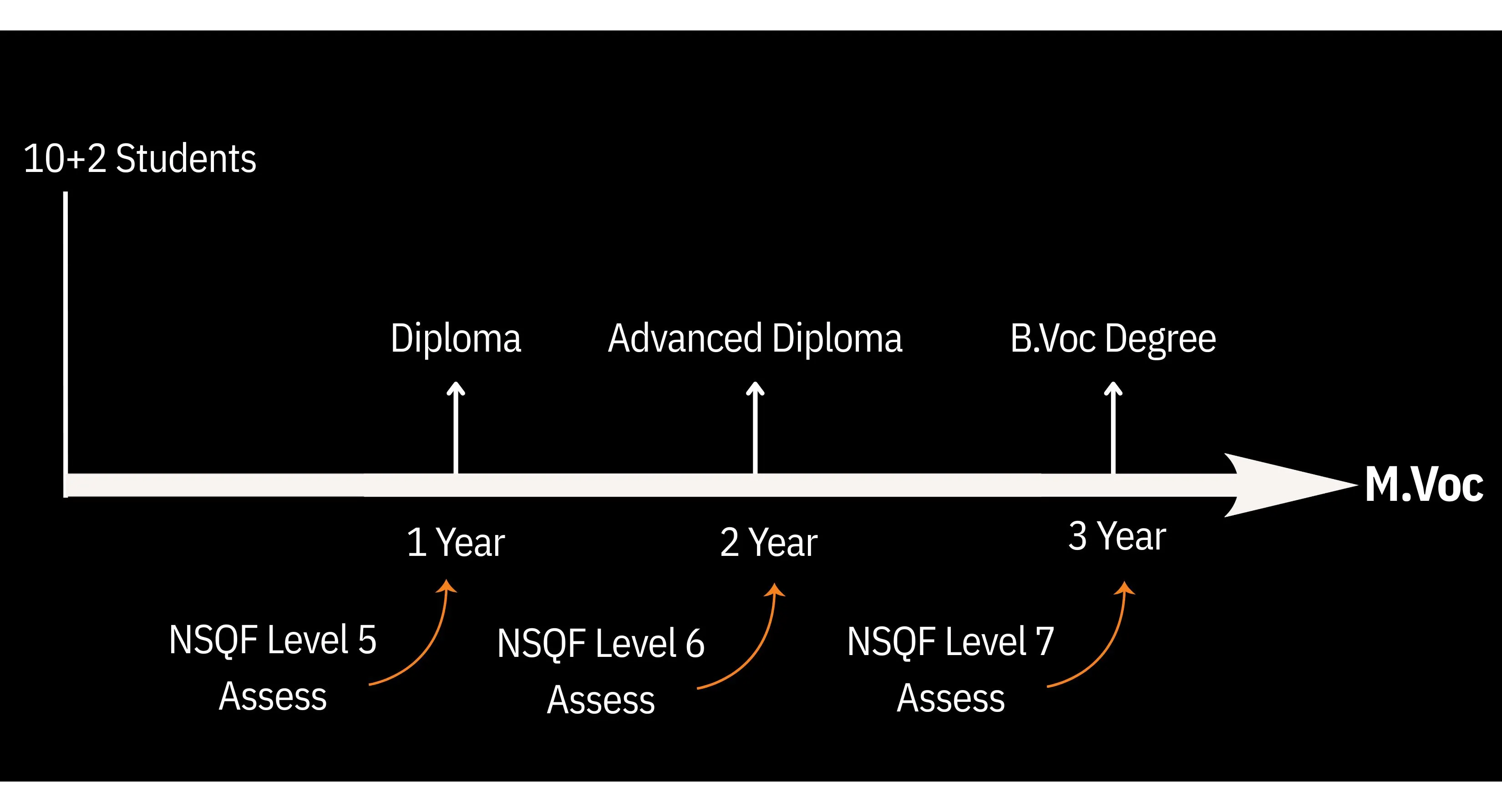
Course Progression: Cardiac Care Technology
Your pathway to becoming a skilled professional in cardiac care technology, cardiovascular diagnostics, and advanced cardiac procedures.
Year 1: Build the Core Foundation of Cardiac & Life Sciences
- Begin with strong basics in Anatomy & Physiology, Biochemistry, and General Microbiology.
- Learn the fundamentals of Basic Electrography (ECG)—core to all cardiac care technology roles.
- Develop essential digital skills through Computing Skills and Functional English.
- Perform hands-on lab work in all foundation subjects to build real clinical confidence.
- Ideal start for students exploring B.Voc Cardiac Care Technology, BSc Cardiac Care, or BSc Cardiology Technology pathways.
Year 2: Step into Applied Cardiac Sciences & Diagnostic Technology
- Move into Applied Anatomy & Physiology, Applied Pharmacology, and Applied Biochemistry.
- Train in Echocardiography, preparing you for roles in cardiac imaging, diagnostics, and non-invasive cardiology.
- Learn Para-Clinical Sciences to understand lab medicine essential for cardiac patients.
- Practical sessions deepen your real-time skills in echo scanning & cardiac evaluations.
- Builds a strong base for higher studies like BSc Cardiovascular Technology or Cardiac Pulmonary Perfusion Care Technology.
Year 3: Clinical Diagnostics, Cardiac Testing & Advanced ECG Techniques
- Continue with Applied Pathology, Microbiology, and Medical Electronics & Biophysics.
- Master Advanced Electrocardiography, crucial for monitoring and interpreting heart rhythms.
- Learn how technology integrates with cardiac care in modern hospitals & ICUs.
- Build communication & financial literacy for your future clinical roles.
- This stage prepares students for key responsibilities in cardiac centers, cath labs & diagnostics.
Year 4: Hospital-Based Training & Cardiac Testing Mastery
- Train in Treadmill Exercise Stress Testing (TMT) and 24-Hour Ambulatory ECG (Holter) Reporting.
- Study General Medicine & Surgery, and understand major medical disorders affecting cardiac health.
- Learn Medical Terminology & Record Keeping for smooth hospital operation workflows.
- Practical training includes performing supervised TMT, Holter monitoring & patient assessments.
- Paves the way for advanced study like BSc in Cardiac Technology or Cardiac Catheterization Technology programs.
Year 5: Catheterization Lab (Cath Lab) Skills & Patient Safety Training
- Learn Basic Cardiac Catheterization Lab procedures—key for becoming a cardiac technologist.
- Train in Quality Control & Patient Safety, vital for all cardiac departments.
- Study Coronary Angiography, Digital Literacy, and Healthcare System frameworks.
- Practice real cath lab techniques under supervision—your first step toward interventional cardiology support roles.
- Strong foundation for careers after BSc Cardiac Technology or after BSc Cardiac Care Technology.
Year 6: Advanced Cath Lab Expertise & Critical Care Training
- Specialize in Advanced Cardiac Catheterization Lab techniques.
- Learn Basic Intensive Care—a must for working in ICUs, CCUs & emergency units.
- Gain entrepreneurship skills to prepare for leadership roles in the healthcare sector.
- Complete a major Project Work demonstrating your skill mastery.
- Graduates are job-ready for positions in cardiac care units, cath labs, cardiovascular centers & multi-specialty hospitals.
M.Voc Progression: Advanced Clinical & Interventional Cardiology Expertise
Semester I: Foundations of Advanced Clinical Cardiology
- Deepen your understanding of advanced Anatomy & Physiology.
- Study Clinical Cardiology and diagnostic cardiac investigation methods.
- Explore Electrophysiology & Pacing Techniques (EP Study, pacemaker basics).
- Learn X-Ray Physics & Instrumentation, essential for cath lab imaging.
- Build communication & clinical management skills.
Semester II: Invasive & Non-Invasive Cardiology Mastery
- Learn Non-Invasive Cardiology, Invasive Cardiology, and CPB Management (Cardio-Pulmonary Bypass).
- Train in Hospital Operation Management relevant to cardiac departments.
- Study Epidemiology to understand cardiac disease trends.
- Practical sessions prepare you for roles in cardiac surgery units & cath labs.
Semester III: Echocardiography & Clinical Leadership
- Train in Advanced Echocardiography, including cardiac masses, pericardial & systemic disorders.
- Learn Quality Assurance & Accreditation in cardiac care standards.
- Understand Bioethics, Biosafety & Technology Transfer.
- Develop research skills with Biostatistics & Methodology.
Semester IV: Perfusion Science, Interventional Advances & Research
- Study CPB Pathophysiology, Perfusion & Hematology.
- Explore advanced interventional cardiology procedures.
- Learn medico-legal responsibilities in cardiac care.
- Complete a Dissertation showcasing clinical, research & technical expertise.