Dialysis Technology
Departmant of ParamedicalThe three-year graduate programme provides candidates with the opportunity to study the principles of Dialysis, fluid and electrolyte balance, basic medical science of the kidney, hematologic aspects, infectious diseases, dialysis systems and equipment, vascular access to the circulation, blood chemistry, complications of renal failure, psycho-social aspects and an overview of peritoneal dialysis and renal transplantation.
-min.jpg)
Dialysis technicians are medical employees who clean the blood of metabolic waste products by the process of hemodialysis do Hemodialysis, maintain and operate the equipment used for dialysis.
Key Feature
- Graduates can expect to be employed in hospitals and private nursing homes to practice as Dialysis Therapists.
- A career in research, following the completion of a higher degree such as a Ph.D., is an option chosen by some graduates.
- Graduate students are eligible for employment overseas where their training, qualifications, and experience are highly regarded.
Course Progression: Dialysis Technology
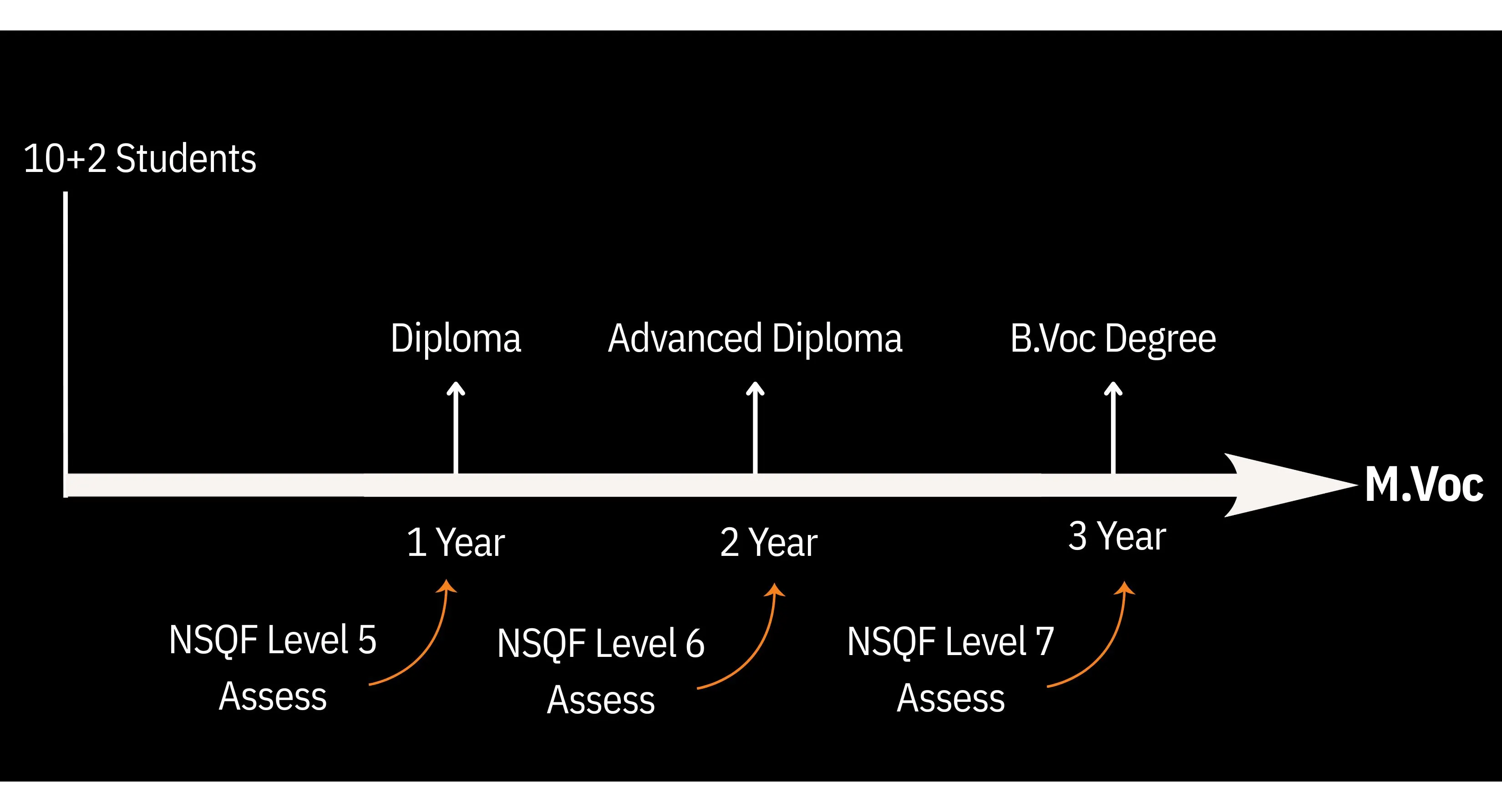
Year 1: Foundations of Kidney Care & Patient Safety
- Learn core Anatomy & Physiology with a focus on the kidney and urinary system.
- Understand basic biochemistry and how it relates to renal function.
- Get introduced to kidney diseases and renal replacement therapy, forming the base of dialysis technology.
- Study patient safety protocols and hospital hygiene standards.
- Build communication, computing, and professional English skills.
- Hands-on practical training introduces students to real dialysis lab environments.
- Ideal entry point for students exploring dialysis technology programs and dialysis tech training.
Year 2: Dialysis Principles & Clinical Basics
- Move into applied anatomy and pathology related to kidney disorders.
- Learn principles and types of dialysis including hemodialysis basics.
- Study biomedical waste management critical for dialysis units.
- Gain skills in medical terminology and record keeping.
- Practical exposure strengthens understanding of dialysis workflows.
- Sets the groundwork for B.Voc Dialysis Technology and dialysis technician courses.
Year 3: Dialysis Equipment & Applied Technology
- Deepen understanding of kidney disease concepts and dialysis-related microbiology.
- Learn dialysis instrumentation and equipment handling.
- Begin Applied Dialysis Technology – I, focusing on machine operations.
- Improve patient interaction and professional communication skills.
- Strong hands-on practice prepares students for real clinical dialysis units.
- Supports career growth toward dialysis equipment technician roles.
Year 4: Patient Care & Clinical Dialysis
- Focus on patient care for dialysis patients, including monitoring and support.
- Study pharmacology relevant to renal and dialysis patients.
- Advance to Applied Dialysis Technology – II and Clinical Dialysis – I.
- Learn hospital documentation, accounting basics, and digital systems.
- Practical training emphasizes safe, supervised dialysis procedures.
- Prepares students for hospital-based dialysis tech programs.
Year 5: Advanced Dialysis Practice & Renal Nutrition
- Study advanced pharmacology related to dialysis care.
- Continue with Clinical Dialysis – II for deeper procedural expertise.
- Learn renal nutrition, crucial for long-term kidney patient management.
- Gain exposure to general medicine and surgery for holistic patient care.
- Understand India’s National Healthcare System.
- Strong clinical focus enhances employability in dialysis centers and hospitals.
Year 6: Nephrology, Leadership & Specialization
- Learn clinical nephrology and dialysis management.
- Master advanced dialysis technology and unit-level operations.
- Develop entrepreneurial skills for leadership or independent dialysis units.
- Complete a project work demonstrating applied dialysis expertise.
- Graduates are job-ready for roles in dialysis technology programs, dialysis technician training, and renal care units.
M.Voc Dialysis Technology: Advanced Renal & Research Expertise
Semester I: Advanced Renal Sciences
- In-depth study of urinary tract & kidney anatomy.
- Learn nephro-pathology, immunology, and dialysis microbiology.
- Strengthen clinical pathology knowledge and professional communication.
Semester II: Clinical Nephrology & Transplantation
- Study renal transplantation and renal replacement therapy.
- Learn hemodialysis (HD) and peritoneal dialysis (PD) concepts.
- Focus on patient-centered dialysis care models.
Semester III: Technology, Complications & Research
- Learn dialysis-related complications and equipment management.
- Study biomedical instrumentation, molecular biology, and pharmacology.
- Build strong analytical skills through epidemiology & biostatistics.
Semester IV: Emergency Renal Care & Dissertation
- Train in renal emergency medicine, ACLS, and renal nutrition.
- Learn nephro-radiology and medical imaging sciences.
- Study nephro-psychiatry and advanced patient care.
- Complete a dissertation showcasing research and clinical excellence.